
How to Write the Perfect Email in Spanish
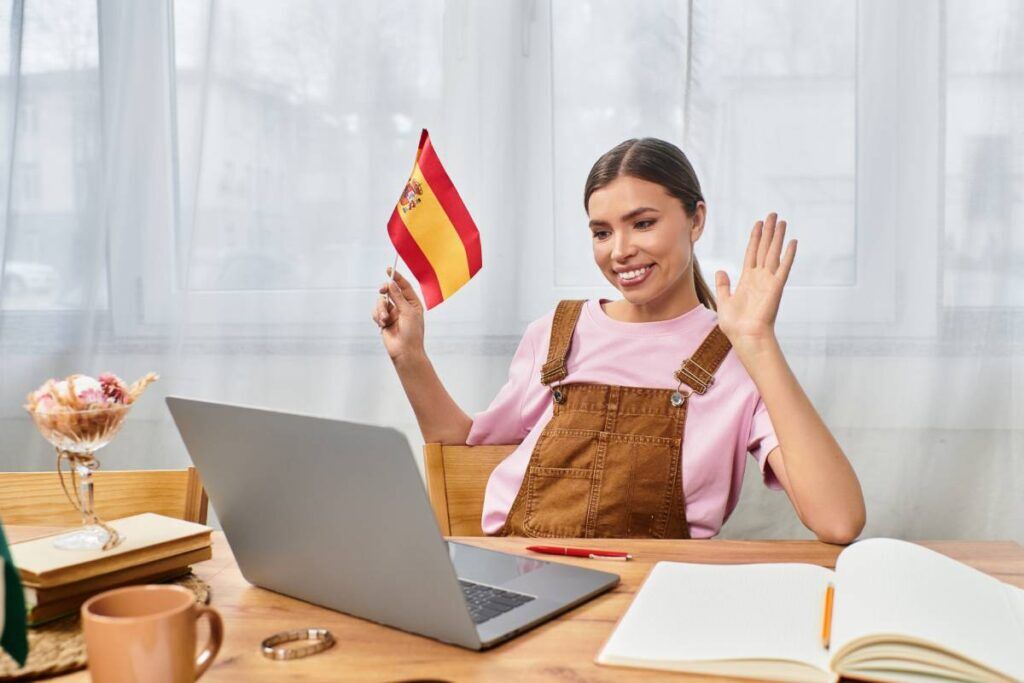
Being fluent in a language isn't always sufficient to draft a formal email correctly. To compose an email in Spanish with a professional tone and structure, you must be aware of and adhere to specific etiquettes and customs. This holds true, especially when it comes to translating email marketing content, where a minor error can make or break the message. Understanding the intricacies of the local culture is paramount to translating not only words but also concepts effectively.
The nuances of language within a Spanish email also play a pivotal role in several essential steps. Here are some invaluable tips and recommendations for mastering the art of crafting a formal email in Spanish, from using the right opening formula to concluding it professionally.

How to Start an Email in Spanish
The way you start an email can significantly impact the success of your entire communication attempt. In Spanish, there are several common ways to commence a formal email, including:
- Estimado/a Señor/a [Name]: this is the safest choice for starting a formal email. Equivalent to “Dear Sir/Madam” used in English correspondence, “Estimado” is used for men and “Estimada” for women;
- Director / Sra. Directora or Sr. Gerente / Sra. Gerente: when addressing someone whose title you know, you can use these options;
- A quien corresponda: this is akin to “To whom it may concern” and is employed when you don't know the recipient's name.
How to Write and Format an Email in Spanish
Once your email introduction is written, the next step is to compose a formal email in Spanish with a structured approach. Keep in mind that we're all constantly pressed for time and inundated with emails daily. As a result, when crafting a formal and professional email, clarity, conciseness, and structure are indispensable to ensure that readers stay engaged and reach the end of the “correo”.
While considering how to write an email in Spanish, remember that readers form an impression of you and your professionalism based on your language use, form, and spelling. Pay attention to every detail to convey that you are meticulous and professional.
Keep your paragraphs short and well-structured to help readers swiftly comprehend your email's content. Additionally, avoid using the passive voice when translating your email into Spanish, as it's less common than in Italian.
Refrain from using abbreviations, capital letters, emoticons, and exclamation marks, as they are unsuitable for formal correspondence. It's worth noting that when using a question mark in Spanish emails, you should include both an opening and closing question mark, unlike the standard practice in English.
If you need to make a request, always employ polite language. Phrases like “Le agradecería si pudiera...” (equivalent to "I would appreciate it if you could...") signify a respectful approach, which is highly valued in formal written exchanges, particularly in the professional domain.
Signing Off an Email in Spanish
Writing an email in Spanish requires attention and skill, with the concluding part being as important as the introduction.
This final interaction represents your last chance to leave a positive impression and secure a response. This final interaction represents your last chance to leave a positive impression and secure a response.
Before your closing salutations, consider including an expression like “Esperando una pronta respuesta” (similar to “I look forward to hearing from you”) to encourage further communication. Alternatively, you can express gratitude and prompt a response with formal phrases such as “Agradeciendo de antemano el favor de tu atención” or “Sin más por el momento, agradezco el tiempo dedicado a responder este correo”.
Finally, decide how to conclude your formal email in Spanish with a suitable sign-off. The most common approach is to use phrases like “Saludos cordiales” or “Atentamente” to convey cordiality, followed by your name.
SHARE THIS POST
WRITTEN BY

A bridge between you and the world, this is our purpose: to help you on your internationalization journey




You will always be updated on the latest news and promotions


