
What language is spoken in Germany along with German?
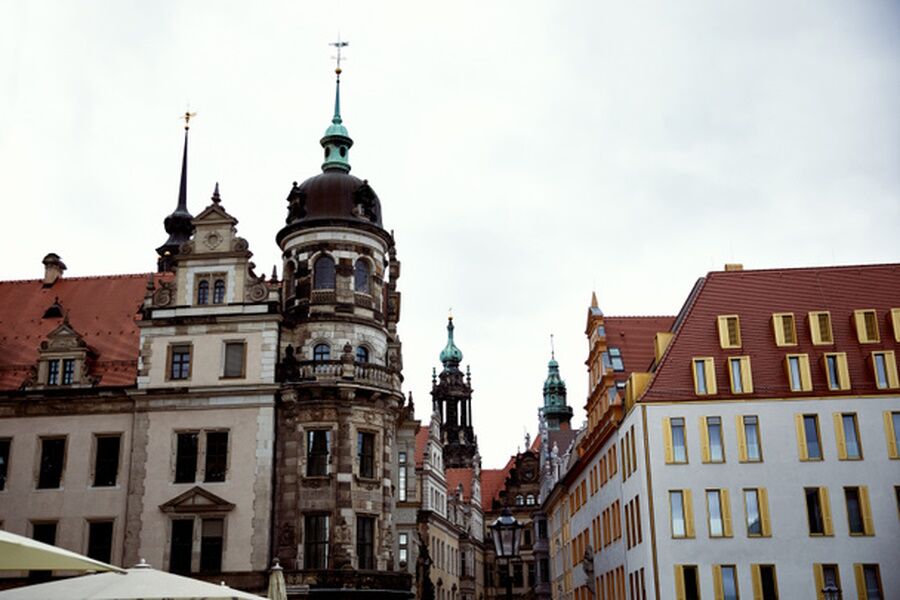
The linguistic configuration of Germany is very complex, as the country has numerous regional languages with various sub-variants, but also a large number of foreign languages imported by large immigrant communities.
What language is spoken in Germany?
The most widely spoken (and official) language in Germany is German, the national language used by 95% of the population as their mother tongue or second language. As a national language, German is used in schools at all levels of education. It is also the official language of politics, culture and the media. German is considered an upper Germanic language and, as already mentioned, it has many regional variants.
Its most common dialects include Bavarian, Frisian, Silesian, Sorbian, High, Middle and Low German, Alemannic and Low Saxon.
Secondary languages spoken in Germany
The secondary languages spoken in Germany include both the officially recognised minority languages and the languages that have arrived in the country along with its many thousands of inhabitants.
Minority languages
Some of the minority languages spoken in Germany are officially recognised as secondary languages of the country under the European Charter for Regional or Minority Languages. These include Danish, Frisian, Roman, Sorbian, and Low German.
Immigrant languages
Immigrant languages are the languages imported by the large immigrant communities who live in Germany and have learned German, but continue to use their mother tongue within their host community.
Due to the economic importance of the country, many immigrants move to Germany in search of work and, in general, better living conditions. The largest immigrant communities are the Turkish and Italian ones. Turkish in particular is spoken by about 2.5 million people in Germany, while Italian is spoken by about 600,000 people as a main language and by 1.5 million people as a secondary language.
Other languages widely spoken by immigrants in Germany are Eastern European languages such as Bulgarian, Serbo-Croatian, Polish and Russian. Middle Eastern languages such as Arabic, Persian and Kurdish are also widely spoken.
Foreign Languages
The most widely studied languages in Germany, apart from German, are English, French and Spanish as they are part of the ministerial curricula. Many university students choose to learn Chinese, Russian or Arabic because of the great economic importance of the countries where these languages are spoken.
Italian is also seen as an interesting language to study, mainly because of Italy's proximity to the German border, but also because of the high relevance of our language in the humanities.
Among the many language combinations in which it operates, Eurotrad offers a translation service from Italian into German that takes into account the profound differences between our language and that spoken in Germany. Our translations are handled by professional mother-tongue translators: contact us to show us your project and we will find the best solution for you!
SHARE THIS POST
WRITTEN BY

A bridge between you and the world, this is our purpose: to help you on your internationalization journey




You will always be updated on the latest news and promotions


